The majority of online businesses no longer rely on a single website or online shop to reach customers. Many now sell through a combination of e-commerce websites, online marketplaces and social commerce platforms, creating more opportunities to grow. .
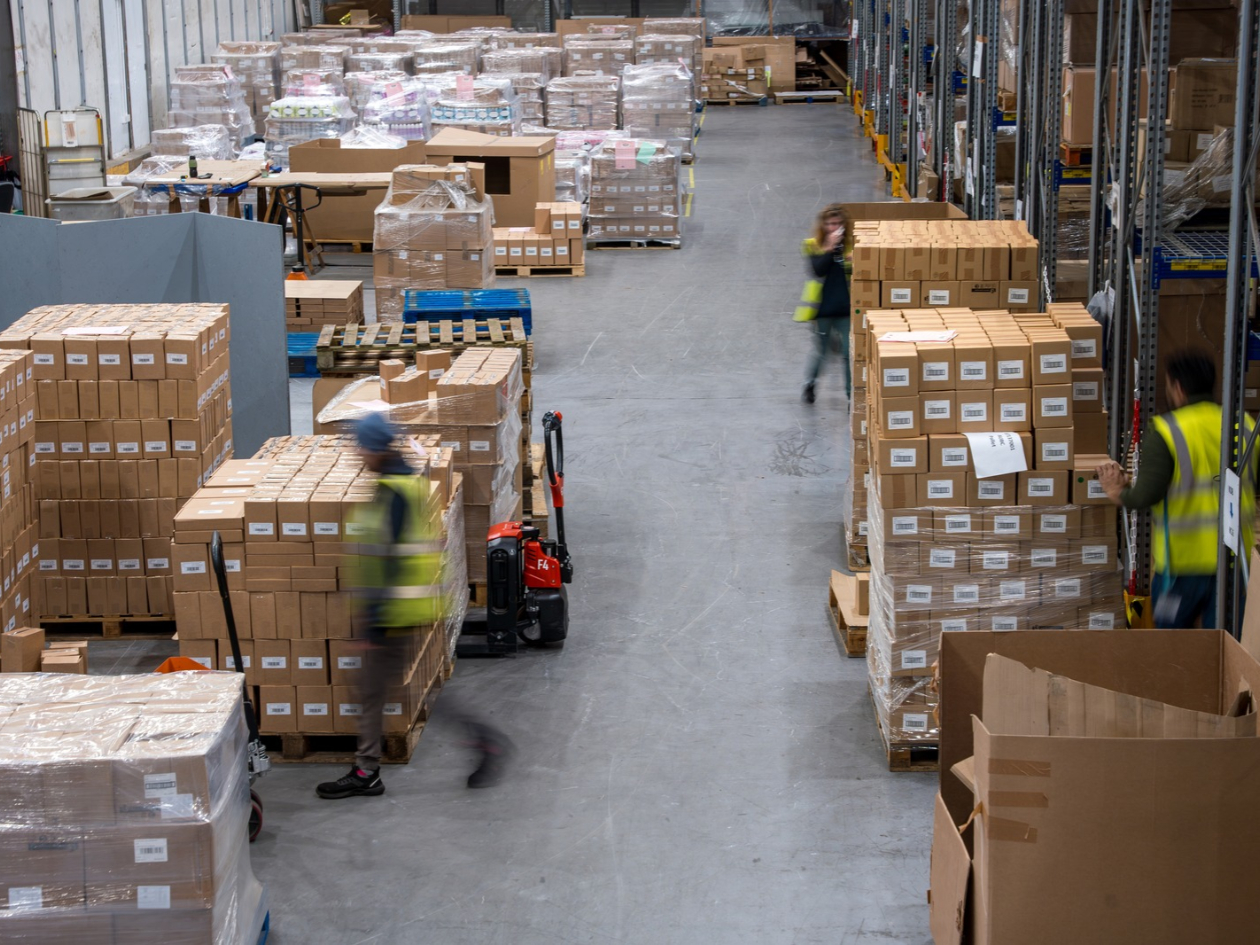
However, keeping track of inventory, processing multiple orders and coordinating deliveries across different platforms can quickly become a headache if you don’t have reliable systems and efficient processes in place as your business expands. This is where working with a reliable, multi-channel fulfilment partner can be invaluable.
In this blog, Hallmark Consumer Services explains how multi-channel fulfilment works, the challenges it can help address and what to look out for in a fulfilment partner.
What is multi-channel fulfilment?
Multi-channel fulfilment involves managing orders from multiple sales platforms through one coordinated fulfilment operation. Rather than handling each channel separately, businesses can work with a third-party logistics (3PL) provider to bring their stock, order processing and dispatch together.
For example, a business might sell through its own Shopify website, Amazon and TikTok Shop. With the right integrations in place, orders from each platform can feed directly into the fulfilment provider’s warehouse management system (WMS), allowing them to be processed through one central operation.
Centralised stockholding also gives businesses better visibility of inventory across all their sales channels. This helps reduce the risk of overselling or holding excessive stock, while making it easier to manage replenishment.
Having a joined-up operation can also reduce duplication and streamline picking, packing and dispatch. With the right infrastructure in place, businesses can introduce additional sales platforms without significantly increasing the pressure on their internal teams.
Why is multi-channel fulfilment important for online businesses?
Selling through multiple platforms gives businesses access to different audiences. Some customers prefer shopping directly through a brand’s website, while others regularly browse marketplaces or discover products through social media.
Social commerce is also creating additional opportunities for online businesses. Research by DHL eCommerce in its 2025 E-Commerce Trends Report found that 63% of British shoppers have already made a purchase through social media. As platforms such as TikTok and Instagram become increasingly important sales channels, businesses need fulfilment processes that can accommodate orders from a wider range of sources. Expanding across these channels creates additional opportunities to generate sales and build brand awareness. It can also reduce reliance on a single sales platform, helping businesses diversify their routes to market.
However, successful expansion relies on having fulfilment processes that can keep pace. Each additional channel brings more orders and potentially different delivery requirements. Having a flexible fulfilment operation helps businesses manage this complexity while maintaining a consistent service for customers.
The challenges of managing multi-channel fulfilment
Managing orders across several platforms can introduce a number of operational challenges, particularly as sales volumes increase. Some of the most common include:
- Stock visibility: Keeping inventory accurate across multiple platforms is essential to avoid overselling and ensure products remain available.
- Order management: Orders arriving from different channels may have individual processing requirements, making manual management increasingly time-consuming.
- Delivery expectations: Different platforms can have varying dispatch targets, courier requirements and delivery options. DHL’s research found that 80% of British shoppers would abandon a purchase if their preferred delivery option wasn’t available, highlighting the importance of offering suitable delivery choices.
- Marketplace compliance: Businesses must follow specific packaging, labelling and dispatch standards to meet marketplace requirements.
- Returns management: Returned products need to be inspected and accurately processed so eligible stock can be made available for resale.
- Seasonal fluctuations: Events like Black Friday and Christmas can bring major increases in order volumes, putting pressure on warehouse capacity and staffing.
- Resource pressures: Expanding fulfilment internally can require additional staff, storage space and technology, increasing operational costs.
Working with an experienced 3PL provider can help businesses manage these demands through established systems, infrastructure and fulfilment processes.
What should you look for in a multi-channel fulfilment partner?
Choosing the right fulfilment partner is an important part of building a successful multi-channel operation. You need a provider that understands the platforms you sell through and can support your business as it grows.
Here are 5 key things to consider:
- Experience across different e-commerce platforms
Your fulfilment partner should understand how different e-commerce platforms and marketplaces operate. Look for experience with your existing channels, as well as the ability to accommodate additional integrations as your business expands.
- Reliable technology and stock management
A good provider should have secure integration capabilities and a reliable WMS to keep order information and inventory records up to date. Accurate stock tracking and real-time reporting also help you maintain visibility across your operation.
- Flexible fulfilment capacity
Order volumes can fluctuate throughout the year, particularly during promotional periods and seasonal peaks. Look for a provider with the warehouse space, staffing and flexibility to accommodate changing demand.
- Efficient order processing and returns
Your fulfilment partner should have reliable picking, packing and dispatch processes that meet the requirements of different sales platforms. Experience in returns management is equally important, helping ensure returned products are processed efficiently and stock records remain accurate.
- Communication and account management
You should have a clear point of contact who understands your business and can respond when operational requirements change. A provider that takes the time to understand your individual needs will be better placed to support your longer-term growth.
How Hallmark supports multi-channel businesses
At Hallmark Consumer Services, we understand the operational demands of selling across multiple channels. Our multi-channel order processing services help businesses manage orders from different platforms through one coordinated fulfilment operation.
We have experience working with a range of e-commerce platforms, including Shopify, WooCommerce, Magento and TikTok Shop. Our integration capabilities allow orders to feed directly into our systems, supporting accurate processing and greater visibility across fulfilment operations.
Our investment in secure warehouse management technology also helps us manage inventory efficiently and provide valuable business insights to support our clients. Combined with dedicated account management, this allows us to build flexible solutions around each client’s requirements.
If you’re looking to simplify multi-channel fulfilment, Hallmark Consumer Services can help. To find out more about how our flexible fulfilment solutions could support your business, get in touch with our friendly team today.